
Is Your Home Ready for Heating Season? Carbon Monoxide Safety Tips for Boone Homeowners
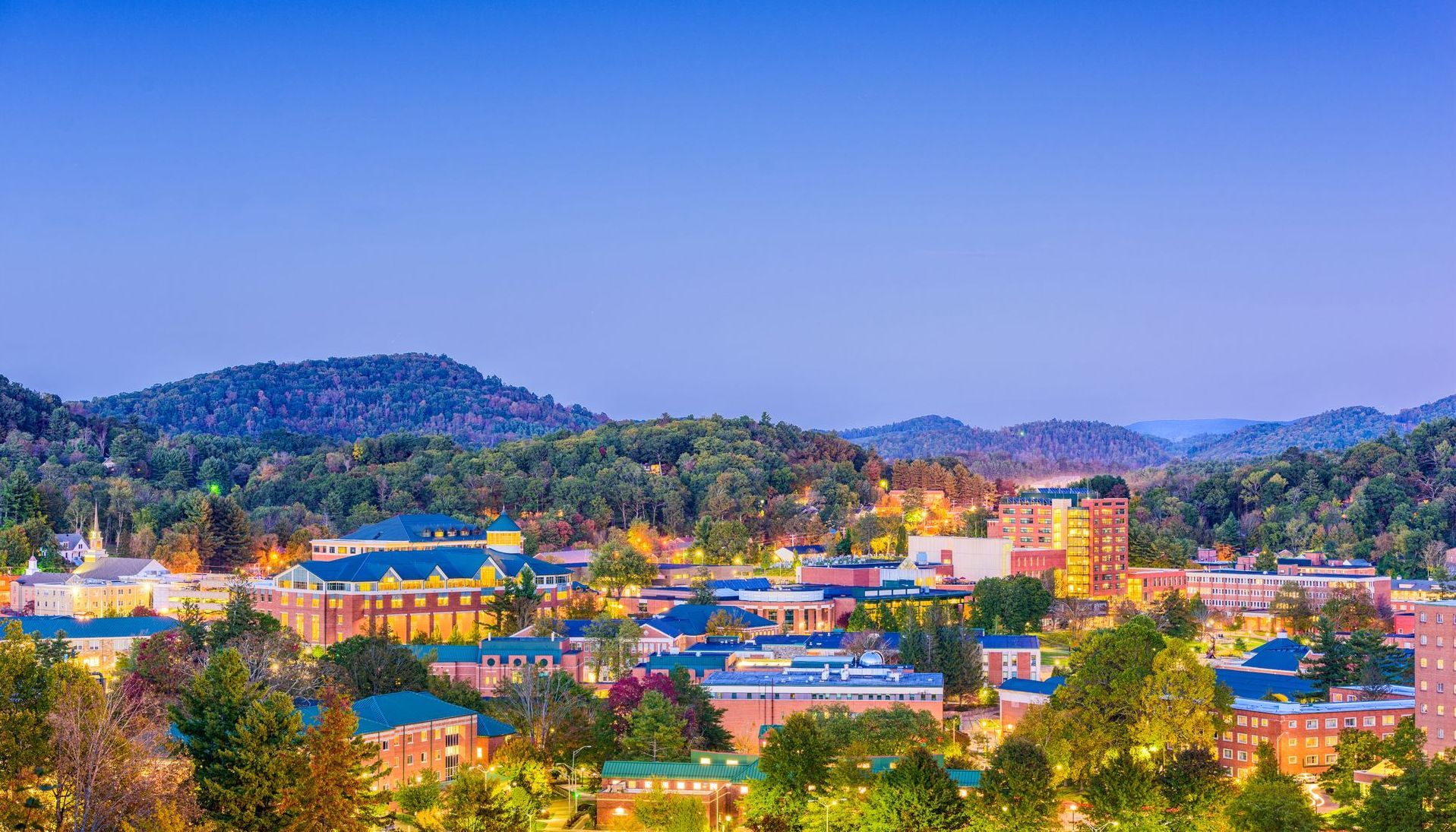
November in Boone, NC, means colder mornings, shorter days, and the beginning of some seriously chilly nights in the High Country. As temperatures continue to drop, homeowners throughout Boone and the surrounding mountain communities are turning up their heat to stay comfortable. While most people focus on keeping their homes warm, there's another important part of heating season that shouldn't be overlooked: carbon monoxide safety. If your home uses a gas furnace or another fuel-burning heating appliance, understanding the risks of carbon monoxide and taking a few simple precautions can help protect your household throughout the colder months. At Edmisten Heating & Cooling, we want our neighbors in Boone to enjoy a warm, comfortable, and safe home all winter long.
What Is Carbon Monoxide, and Why Is It Dangerous?
Carbon monoxide (CO) is a colorless, odorless gas produced when fuels such as natural gas, propane, oil, wood, or gasoline burn. Because you can't see or smell carbon monoxide, it can be difficult to recognize a problem without a working carbon monoxide detector. Fuel-burning appliances, including gas furnaces, fireplaces, and water heaters, can become sources of dangerous carbon monoxide if they malfunction or are improperly vented. Exposure to carbon monoxide can cause symptoms such as:
- Headaches
- Dizziness
- Nausea
- Weakness or unusual fatigue
- Confusion
- Shortness of breath
In severe cases, carbon monoxide exposure can be life-threatening. If your carbon monoxide alarm sounds, leave the building immediately, get to fresh air, and call 911 or your local emergency services from outside. Do not reenter until emergency personnel say it is safe.
Why Heating Season Is an Important Time to Think About Carbon Monoxide
As Boone moves from fall into winter, heating systems begin running more frequently. For homes with gas furnaces or other fuel-burning heating equipment, this means it's especially important to make sure everything is operating and venting properly. A furnace that worked fine last winter could develop problems over time. Components wear out, venting systems can become obstructed, and other issues may affect safe operation. That's why having your heating equipment professionally inspected is an important part of preparing for winter.
5 Ways to Help Keep Your Home Safe This Heating Season
1. Make Sure You Have Working Carbon Monoxide Detectors
One of the simplest and most important steps you can take is installing carbon monoxide detectors in your home. Install detectors according to manufacturer instructions and applicable local requirements, including outside sleeping areas and on each level of your home. If you already have detectors, now is a great time to check them. Test each alarm, replace batteries when needed, and pay attention to the manufacturer's recommended replacement date. A working carbon monoxide detector provides an important layer of protection that your heating system alone cannot offer.
2. Schedule a Professional Furnace Inspection
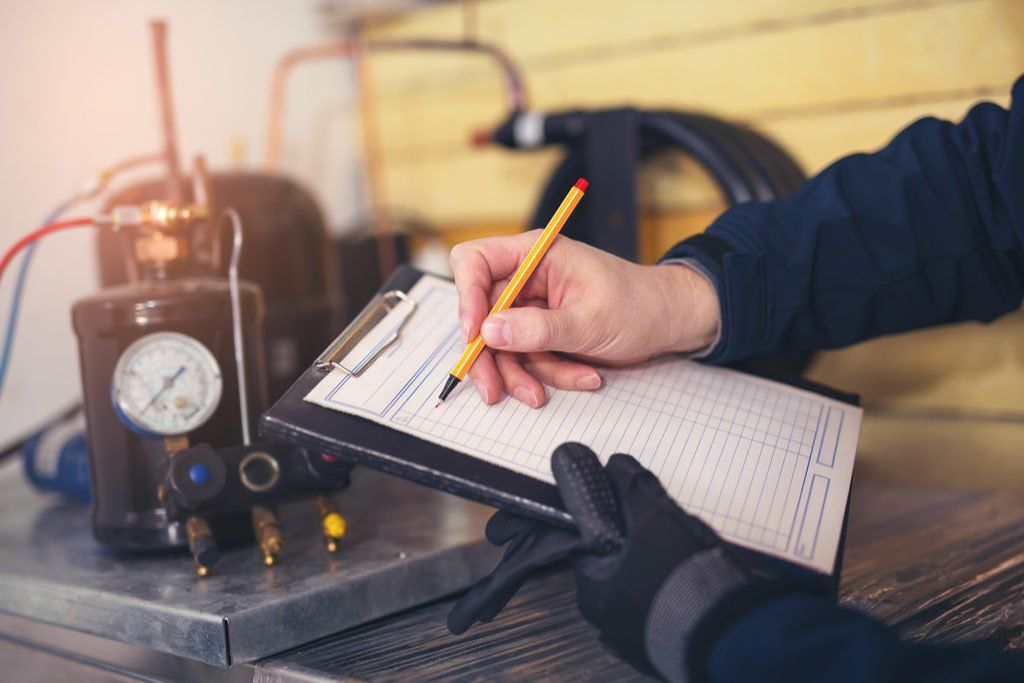
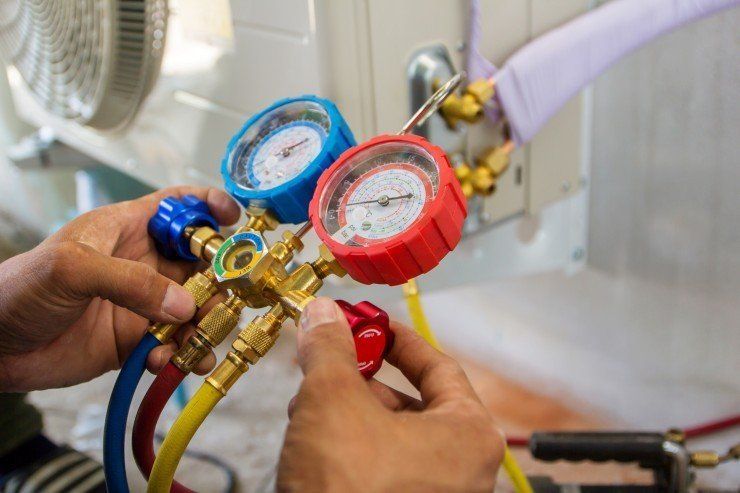
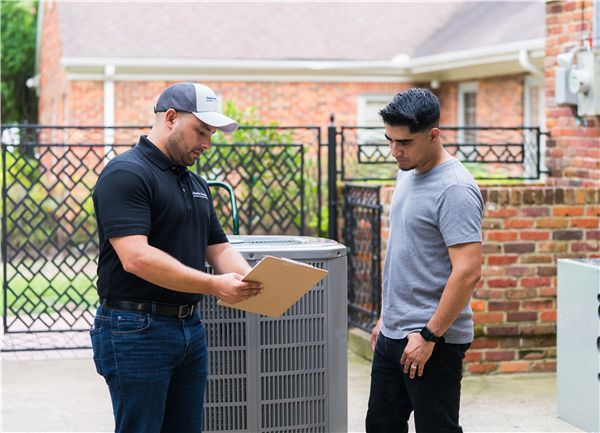
Your furnace works hard during Boone's colder months, and regular maintenance helps ensure it's operating safely and efficiently. During a professional heating inspection, a qualified HVAC technician can evaluate important components, check the condition of the system, and look for potential safety concerns. Depending on your equipment, this may include inspecting:
- Heat exchanger condition
- Burner operation
- Venting and exhaust components
- Safety controls
- Electrical connections
- Overall heating performance
A damaged heat exchanger or an issue with the venting system can create potentially serious safety concerns. Having these components checked by a professional can help identify problems before they become more dangerous or lead to an unexpected breakdown.
3. Keep Furnace Vents and Exhaust Pipes Clear
Living in the mountains means dealing with plenty of falling leaves, winter precipitation, and occasionally significant snowfall. These conditions can create problems when debris, snow, or ice blocks an outdoor exhaust or intake vent. Blocked venting can interfere with the safe operation of certain heating systems. As temperatures drop, take a few minutes to visually check accessible outdoor vents and make sure they aren't obstructed. After heavy snowfall, check again to ensure snow hasn't accumulated around the openings. Never attempt to dismantle or modify furnace venting yourself. If you suspect a blockage or notice anything unusual, contact a qualified HVAC professional.
4. Never Use Outdoor Heating Equipment Inside Your Home
When winter storms arrive in the High Country, power outages can sometimes follow. If your home loses electricity, it may be tempting to find another way to stay warm. However, certain heating methods can create dangerous carbon monoxide levels indoors. Never use charcoal grills, outdoor propane heaters, camp stoves, or gasoline-powered generators inside your home, garage, or other enclosed spaces. Generators should always be operated outdoors, well away from doors, windows, and vents, following the manufacturer's safety instructions. It's also important to remember that a gas oven or stovetop should never be used to heat your home. If your heating system stops working during cold weather, contact a professional rather than relying on unsafe alternatives.
5. Pay Attention to Changes in Your Heating System
Your furnace shouldn't be something you have to constantly worry about, but it's important to recognize when something doesn't seem right. Potential warning signs include:
- Unusual smells when the furnace operates
- Soot or discoloration around fuel-burning equipment
- New or unexpected noises
- Frequent system shutdowns
- Heating performance that suddenly changes
- Visible damage or deterioration around venting components
These symptoms don't necessarily indicate a carbon monoxide problem, but they may signal that your system needs professional attention. Remember, carbon monoxide itself has no smell, so you should never rely on odors or visible warning signs to determine whether your home is safe. If a carbon monoxide alarm activates or you suspect exposure, leave immediately and contact emergency services.
What If Your Home Uses a Heat Pump Instead of a Gas Furnace?
Many homes in Boone and the surrounding High Country use electric heat pumps rather than traditional gas furnaces. Electric heat pumps do not produce carbon monoxide during normal operation because they don't burn fuel to generate heat. However, some homes have dual-fuel systems that combine an electric heat pump with a gas furnace. Others may have gas fireplaces, fuel-burning water heaters, or other appliances that can produce carbon monoxide. Even if your primary heating system is electric, it's important to understand what other equipment your home uses. If you're unsure whether your heating system burns fuel, an HVAC professional can help you identify your equipment and explain any relevant safety considerations.
Don't Wait Until the Coldest Night of the Year
Boone winters can be unpredictable. One week may bring relatively mild afternoons, while the next brings freezing temperatures and winter weather. When temperatures drop, the last thing you want is to discover that your heating system has a problem. Taking care of routine maintenance now can help improve system reliability, identify potential safety issues, and give you greater peace of mind as winter approaches. And while a professional heating inspection is important, remember that it doesn't replace the need for properly installed and functioning carbon monoxide alarms. Both are important parts of keeping your home safe.
Stay Warm and Safe This Winter with Edmisten Heating & Cooling
At Edmisten Heating & Cooling, we know how important dependable heating is during winter in the North Carolina mountains. As a family-owned company serving Boone and the surrounding High Country since 1975, we're proud to help local homeowners keep their heating systems running safely and efficiently. Whether your furnace needs its annual inspection, your heating system isn't performing as it should, or you simply want peace of mind before colder weather arrives, our experienced team is here to help.
Don't wait for the first major cold snap to find out your heating system needs attention. Contact Edmisten Heating & Cooling today to schedule your heating service or maintenance appointment and enjoy a warmer, more comfortable winter in Boone, NC.