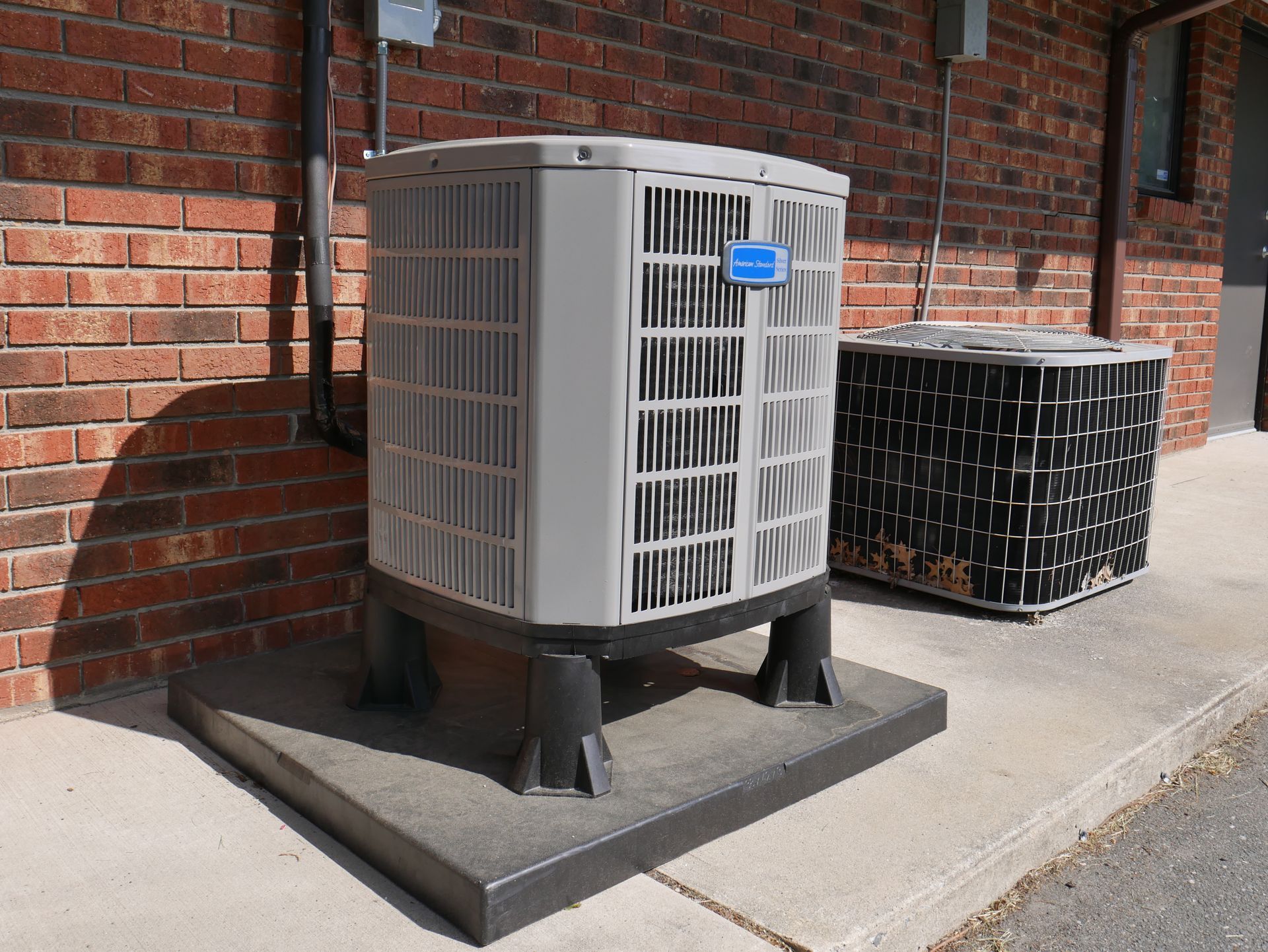


Is Your Heat Pump Ready for Cold Boone Nights? What’s Normal and What’s Not
October in Boone, NC means cooler mornings, chilly nights, changing leaves, and the beginning of heating season in the High Country. While afternoons can still be comfortable, nighttime temperatures can drop quickly, which means many homeowners are starting to rely on their heat pumps again. If you have a heat pump, you may notice that it operates a little differently as temperatures fall. Some changes are completely normal. Others could be signs that your system needs attention before winter arrives. At Edmisten Heating & Cooling, we want Boone homeowners to know what to watch for as their heat pumps transition into cold-weather operation.
Why Heat Pumps Work Differently as Temperatures Drop
Unlike a furnace, which generates heat, a heat pump transfers heat from the outdoor air into your home. Yes, there is still heat energy available outside even when it feels cold! As outdoor temperatures fall, however, your heat pump has to work harder to extract that heat. You may notice longer run times or different operating patterns as Boone moves deeper into fall. That doesn't automatically mean something is wrong. The key is knowing the difference between normal cold-weather operation and a system that's struggling.
Longer Run Times Can Be Normal
One of the first things you may notice during a cold Boone night is that your heat pump runs longer than it did during milder weather.
Heat pumps are designed to provide steady, consistent heating rather than short bursts of extremely hot air. When temperatures outside drop, your system may run for longer periods to maintain your thermostat setting. However, if your heat pump seems to run constantly and your home still isn't reaching the desired temperature, it's worth having the system checked.
The Air From Your Vents May Not Feel "Hot"
If you're used to a traditional furnace, the air coming from a heat pump may feel cooler than you expect. That's because heat pumps typically deliver warm air at a lower temperature than furnaces. The air should still be warming your home, but it may not feel extremely hot when you place your hand near a vent. Pay more attention to whether your home is reaching and maintaining the temperature on your thermostat. If the system is running but the temperature inside continues to fall, there may be an issue that needs professional attention.
Seeing Frost on the Outdoor Unit Isn't Always a Problem
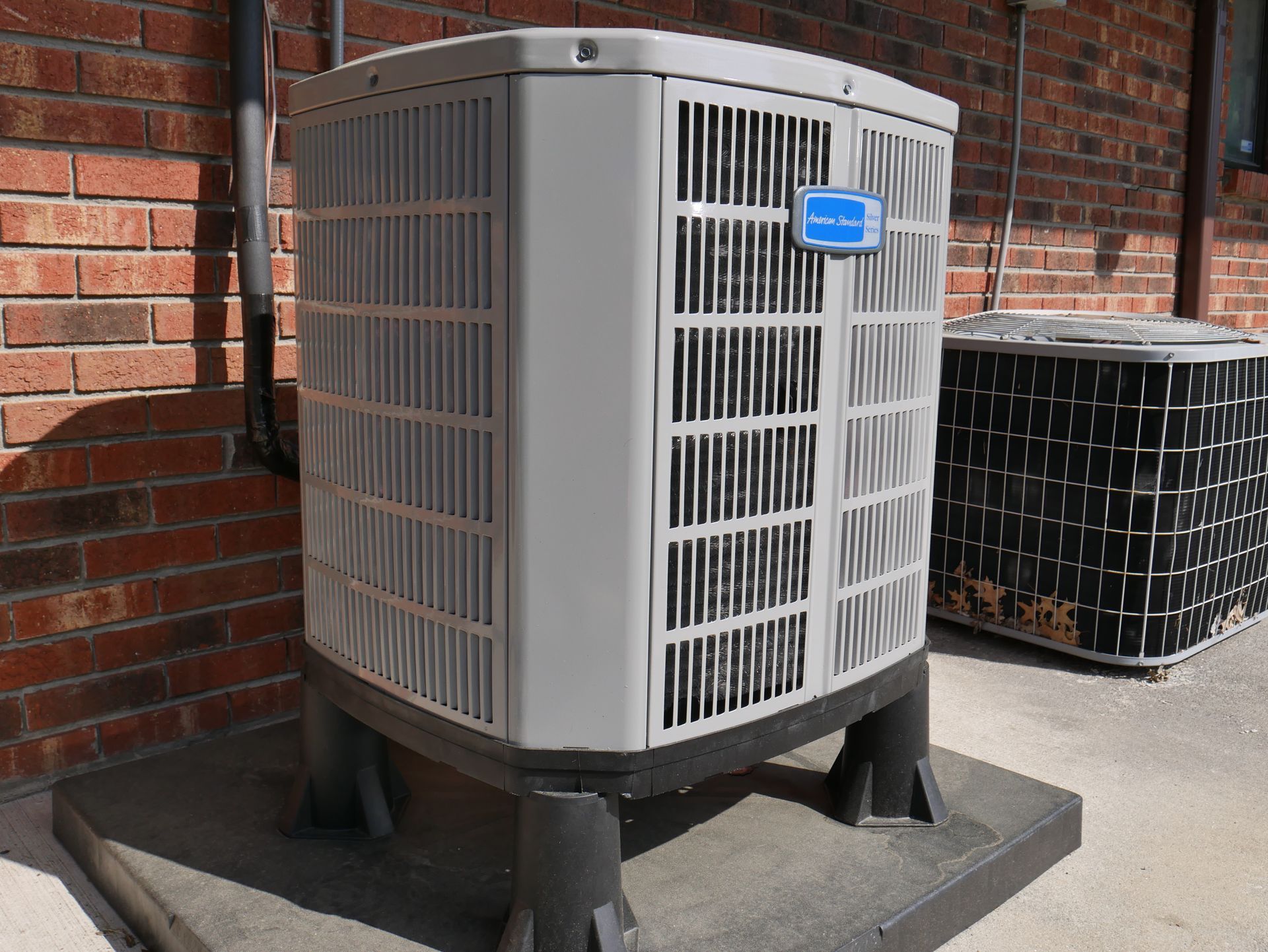
During cold, damp weather, it's possible for frost to form on the outdoor portion of a heat pump. Heat pumps are designed with a defrost cycle that periodically helps remove this buildup. During a defrost cycle, you may notice your system operating differently for a short period. A light layer of frost that disappears can be normal. However, heavy ice buildup that remains on the unit is another story.
If your outdoor unit appears to be covered in ice or isn't clearing itself properly, contact an HVAC professional rather than attempting to chip or remove the ice yourself.
Know When Your Auxiliary Heat Is Running
Many heat pump systems have an auxiliary or backup heat source that can provide additional heating when outdoor temperatures become particularly cold or when the system needs to raise the indoor temperature quickly. You may see "AUX HEAT" displayed on your thermostat occasionally during colder Boone weather. Brief periods of auxiliary heat aren't necessarily cause for concern. But if auxiliary heat seems to be running constantly during relatively mild weather, your system may not be operating as efficiently as it should. Because auxiliary heating can use more energy, frequent operation can also contribute to higher utility bills.
Watch for These Signs of a Heat Pump Problem
As you begin using your heat more regularly this fall, pay attention to how your system performs. Consider scheduling service if you notice:
- Your home isn't reaching the thermostat setting
- The system runs constantly without adequately heating your home
- Ice remains on the outdoor unit
- Airflow from the vents is unusually weak
- Your system begins making new or unusual noises
- Auxiliary heat seems to run excessively
- Your energy bill increases unexpectedly
- Some rooms remain significantly colder than others
Addressing a small issue in October can help prevent a much more inconvenient problem when Boone experiences its colder winter weather.
Don't Forget About Your Outdoor Unit
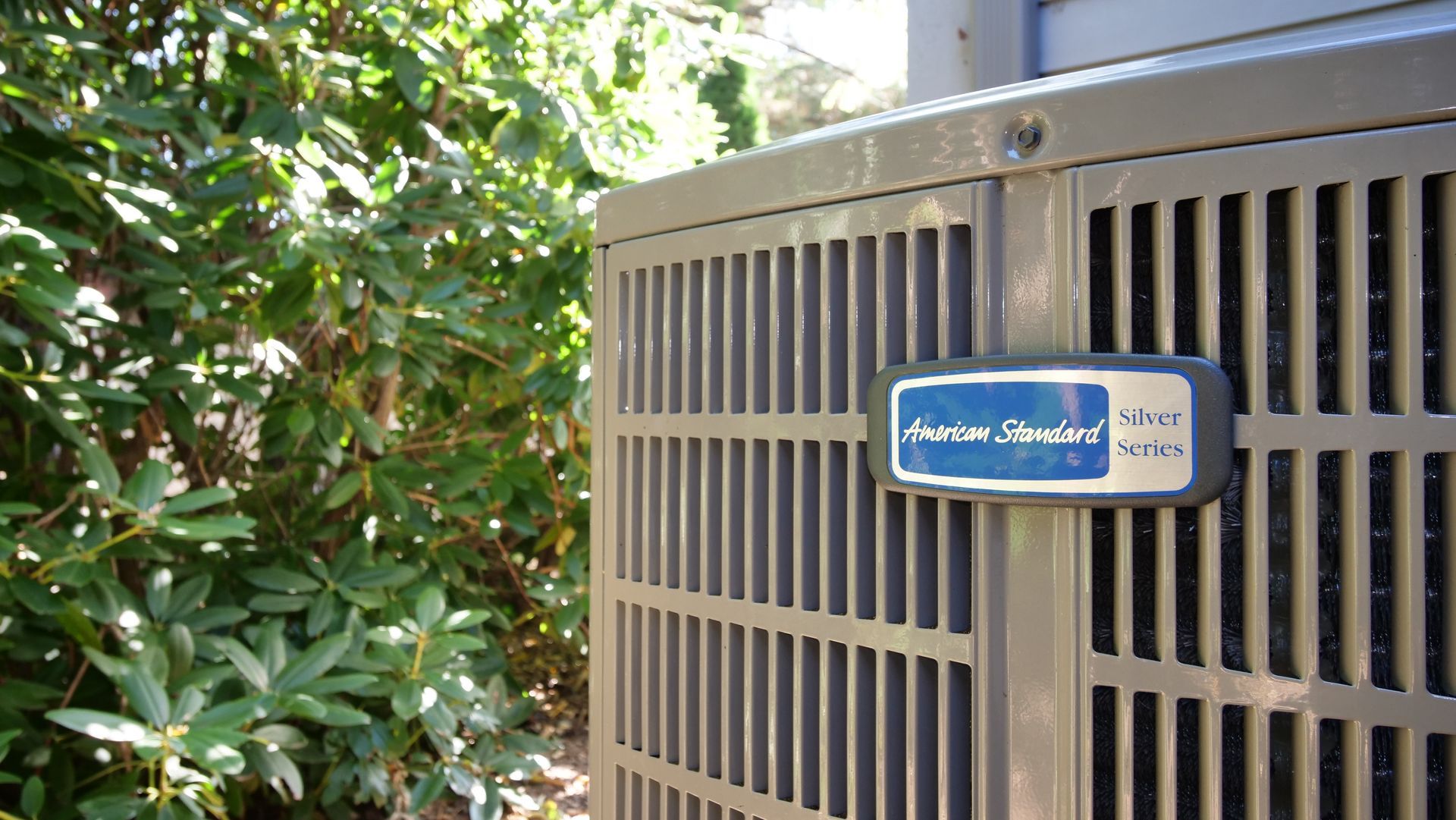
Fall in the High Country is beautiful, but all those colorful leaves eventually have to come down. Leaves, twigs, and other debris can collect around your outdoor heat pump and restrict airflow. Take a few minutes throughout the fall to check the area around the unit and keep it clear. Give the system plenty of space to move air freely, and avoid piling leaves or other yard debris near it.
October Is a Great Time to Make Sure Your Heat Pump Is Winter-Ready
In Boone, heating season can arrive quickly. A comfortable fall afternoon can turn into a cold night, and winter weather won't be far behind. That's why October is a good time to pay attention to how your heat pump is performing. If something doesn't seem right now, don't wait until freezing temperatures arrive to find out there's a problem. A professional heating inspection can help identify worn components, airflow problems, thermostat issues, and other concerns before your system is working its hardest.
Stay Comfortable This Fall and Winter with Edmisten Heating & Cooling
Living in the High Country means your heating system has to be ready for colder conditions than many other parts of North Carolina. Making sure your heat pump is operating properly now can help you stay comfortable when Boone's temperatures really begin to fall. If your heat pump isn't keeping up, you're noticing unusual operation, or you'd simply like to make sure your system is ready for another Boone winter, Edmisten Heating & Cooling is here to help. Contact Edmisten Heating & Cooling today to schedule heating service or seasonal maintenance and make sure your home is ready for the colder months ahead.